Plumbing
PlumbingUpdated 9/1/2026

How to Clear a Sink Drain Clog: Clean the P-Trap and Use a Drain Snake

Many slow or clogged sink drains are caused by buildup in the P-trap or nearby drain line. Before calling a plumber, you may be able to clear a simple clog by placing a bucket under the trap, removing and cleaning the trap, and carefully using a hand drain snake. Work slowly, protect the cabinet area from water, and stop if you encounter damaged pipes, sewage backup, repeated clogs, or a blockage that will not clear.

Plumbing
How-To Guides
Difficulty
Beginner
Time
30–60 minutes
Budget
$
Safety
Medium

Key notes

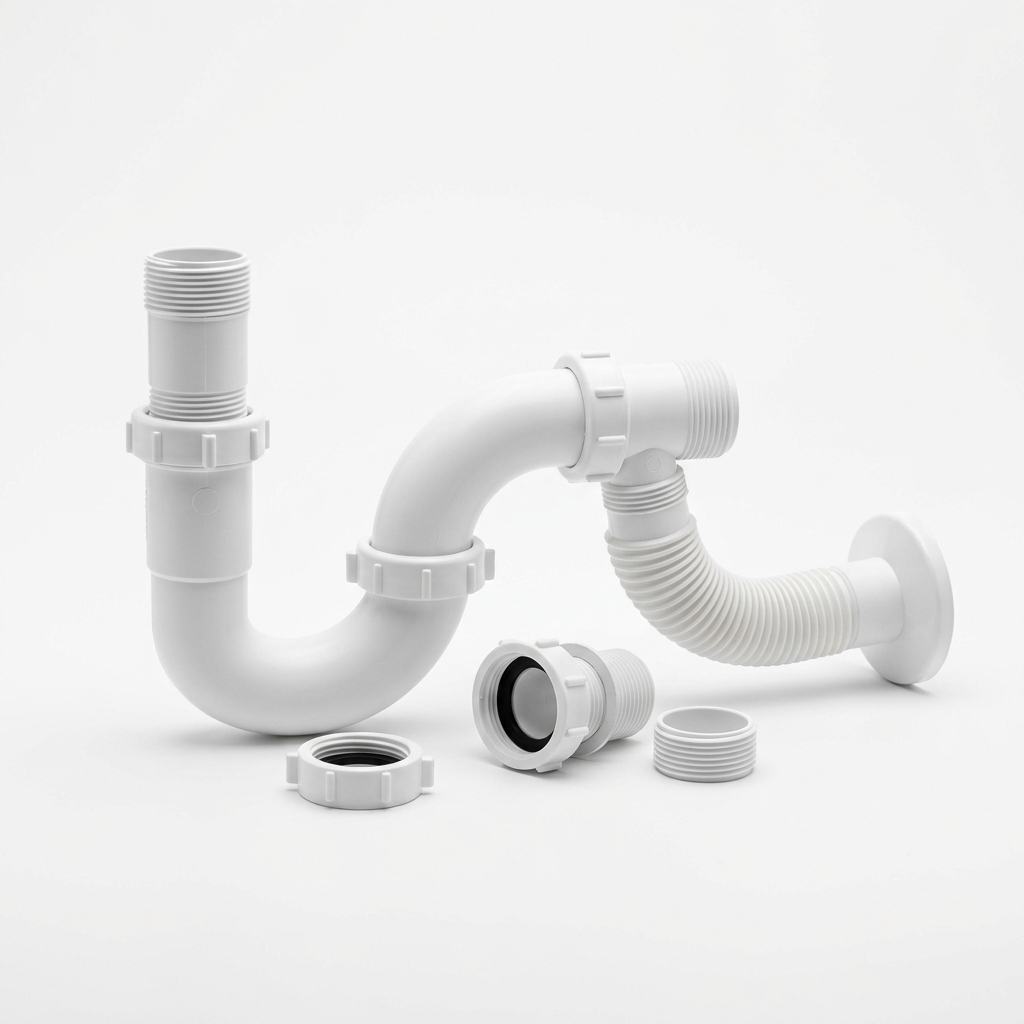
  • The curved U-shaped portion beneath many sinks is commonly called the P-trap; it holds water that helps block sewer gases from entering the room.
  • Always put a bucket beneath the trap before loosening fittings because trapped water and debris will spill out.
  • Do not use a drain snake if harsh chemical cleaner is present or may be present; chemicals can splash back and cause serious injury.
  • Use only gentle force. Stop if the cable jams, the pipe feels damaged, or you are unsure where the snake is going.
  • Hand-tighten plastic slip-joint fittings first. Excessive force can crack plastic components or damage washers.
  • A recurring clog may be farther down the line or caused by a venting, pipe-slope, grease, root, or sewer-line issue that needs professional diagnosis.
  • This guide is for accessible sink-drain clogs, not toilet clogs, main sewer backups, gas piping, or plumbing work inside walls.

Tools needed

  • Bucket
  • Towels or absorbent rags
  • Flashlight
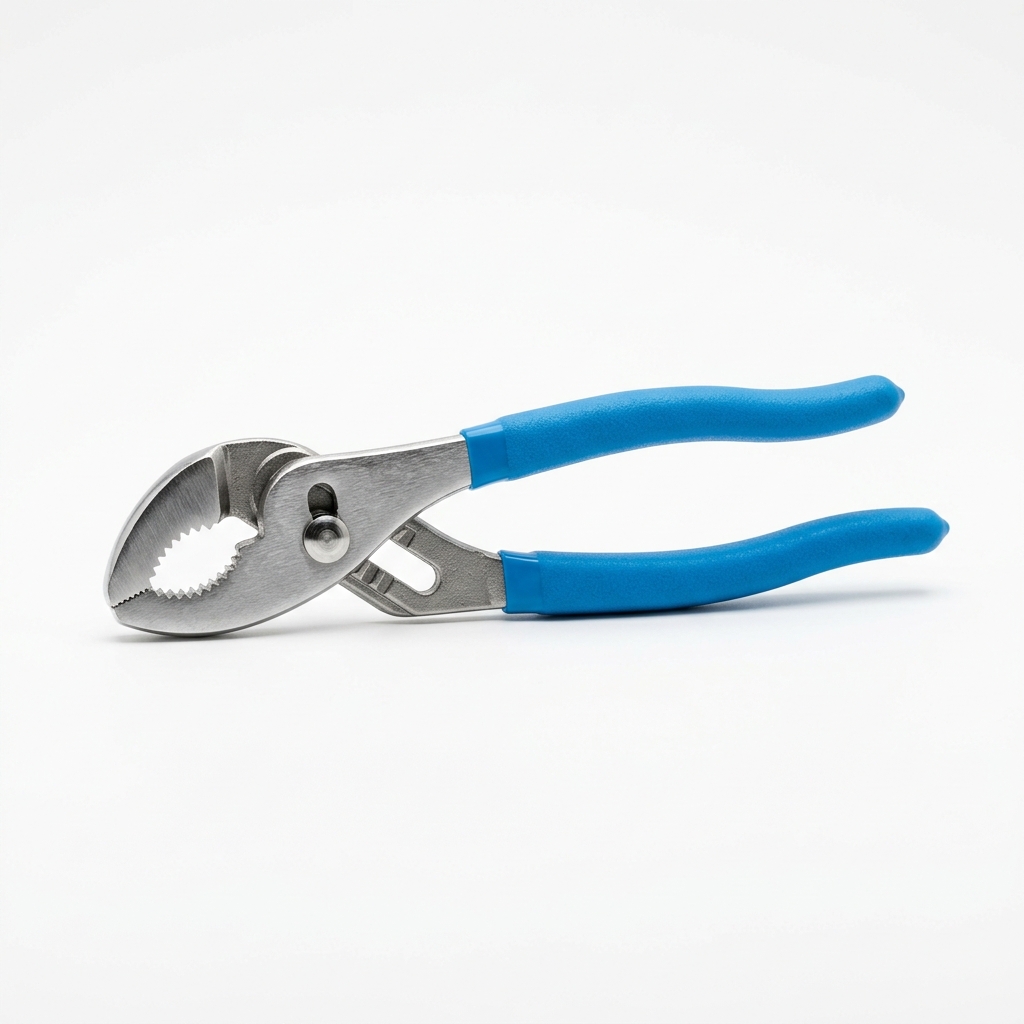
  • Slip-joint pliers (optional)
  • Hand drain snake or small drain auger
  • Small brush (optional)
  • Screwdriver only if needed for a specific stopper assembly
  • Gloves
  • Safety glasses

Materials needed

  • Replacement P-trap washers (optional)
  • Replacement P-trap components only if the existing trap is damaged or does not reseal
  • Mild dish soap and water for cleaning removable parts
  • Disinfecting cleaner for cleanup, used according to label directions
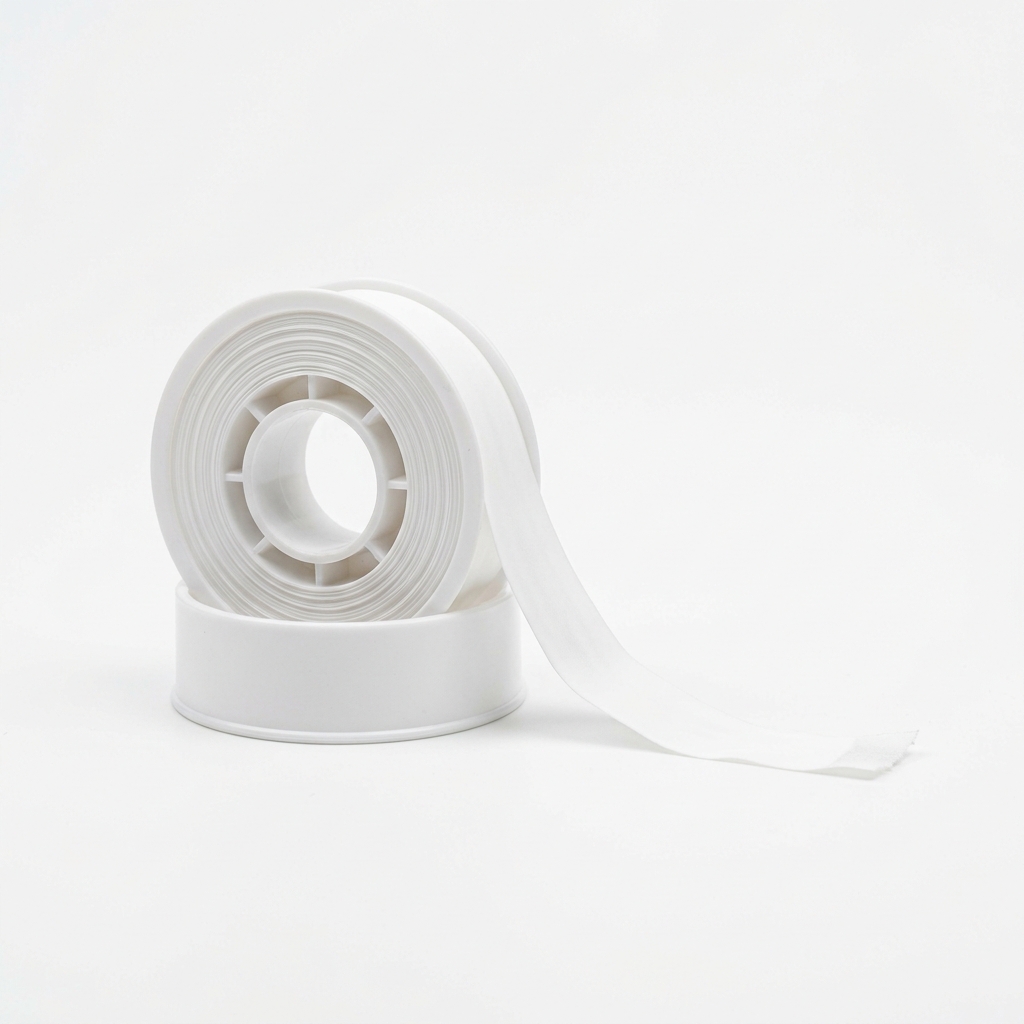
  • Plumber's tape only if appropriate for threaded supply connections — not as a cure for worn slip-joint washers or damaged drain fittings

Step-by-step

  1. 1

    Stop using the sink and remove standing water from the basin if practical.

  2. 2

    Do not mix drain-cleaning chemicals or add chemicals if any chemical drain cleaner may already be present in the drain.

  3. 3

    Place a bucket directly under the P-trap and spread towels around the work area.

  4. 4

    Use a flashlight to inspect the trap, slip-joint nuts, and nearby pipes for cracks, corrosion, leaks, or loose fittings.

  5. 5

    Put on gloves and eye protection.

  6. 6

    Loosen the slip-joint nuts by hand where possible, using slip-joint pliers only gently if needed.

  7. 7

    Carefully remove the curved P-trap section and allow water and debris to drain into the bucket.

  8. 8

    Clean debris from the trap using a brush, water, and mild soap as needed.

  9. 9

    Inspect trap washers and fittings for cracks, flattening, damage, or missing parts.

  10. 10

    Reinstall the cleaned trap temporarily or keep the bucket in place if you need to snake the pipe.

  11. 11

    Feed a hand drain snake gently into the drain line beyond the trap opening.

  12. 12

    Turn and advance the snake slowly without forcing it.

  13. 13

    Withdraw the snake carefully and remove debris from the cable.

  14. 14

    Repeat gently if needed, then reinstall the trap with properly seated washers and hand-tighten slip-joint nuts before making only minor additional tightening if necessary.

  15. 15

    Run a small amount of water and inspect for leaks.

  16. 16

    Gradually run more water to confirm the drain flows and fittings remain dry.

  17. 17

    Clean the work area and wash hands after finishing.

Common mistakes

  • • Pouring additional chemical drain cleaner into a drain that may already contain chemicals.
  • • Mixing chemical cleaners with bleach, vinegar, ammonia, or other products.
  • • Removing the trap without placing a bucket and towels underneath.
  • • Overtightening plastic slip-joint nuts and cracking fittings.
  • • Using excessive force with a drain snake.
  • • Snaking a drain without checking for damaged, corroded, or leaking pipes.
  • • Reusing visibly damaged washers.
  • • Using plumber's tape to compensate for a worn washer or damaged drain fitting.
  • • Ignoring repeated clogs, sewage odors, backups, or leaks that point to a larger plumbing problem.

Maintenance & next steps

Use sink strainers to reduce debris entering the drain and avoid putting grease, coffee grounds, large food scraps, or other clog-prone materials down the sink. Address slow drainage early before it becomes a complete blockage.

When to call a professional

Call a licensed plumber for sewage backup, repeated or widespread clogs, leaks inside walls or floors, damaged or heavily corroded pipes, a clog that will not clear with gentle accessible work, chemical-cleaner exposure, or any concern about the main sewer line.

Frequently asked questions

What is a P-trap?+

A P-trap is the curved drain pipe beneath a sink. It holds water that helps prevent sewer gases from coming back through the drain.

Do I need to turn off the water before removing a P-trap?+

You usually do not need to shut off supply valves for a drain-trap cleaning, but do not run water while the trap is removed. If you are unsure which pipes you are working on, stop and consult a pro.

Can I use a drain snake after using chemical cleaner?+

No. Do not snake or disassemble a drain if chemical cleaner may be present, because it can splash and cause injury. Follow the product label and contact a professional if needed.

Why is my sink still clogged after cleaning the trap?+

The blockage may be farther down the drain line, or the issue may involve grease buildup, a vent, pipe damage, or another plumbing problem.

Why does my sink leak after I reinstall the trap?+

Check that washers are clean, correctly seated, and undamaged, and that fittings are aligned and hand-tightened. Replace damaged parts rather than overtightening them.
Editor's note: This is instructional content for How to Clear a Sink Drain Clog: Clean the P-Trap and Use a Drain Snake. Replace with your own firsthand experience and photos before publishing.
This page contains affiliate links. If you purchase through them, we may earn a commission at no additional cost to you.

Related Products

Shop the Whole Project

11 items

Save every tool and material for this guide to your project list in one tap.

Snappy Trap Universal Kitchen Sink Drain Kit
Channellock 12-Inch Tongue and Groove Slip-Joint Pliers
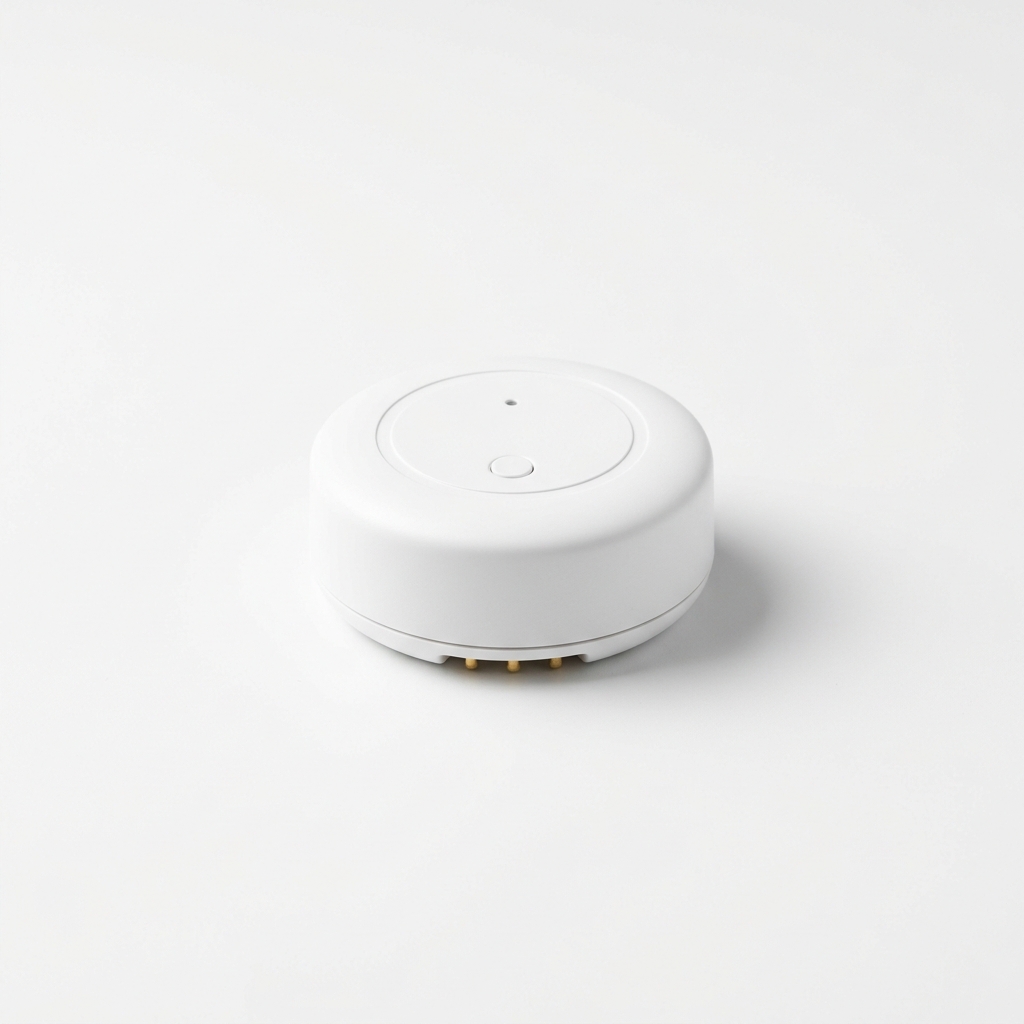
Moen Flo Smart Water Leak Detector
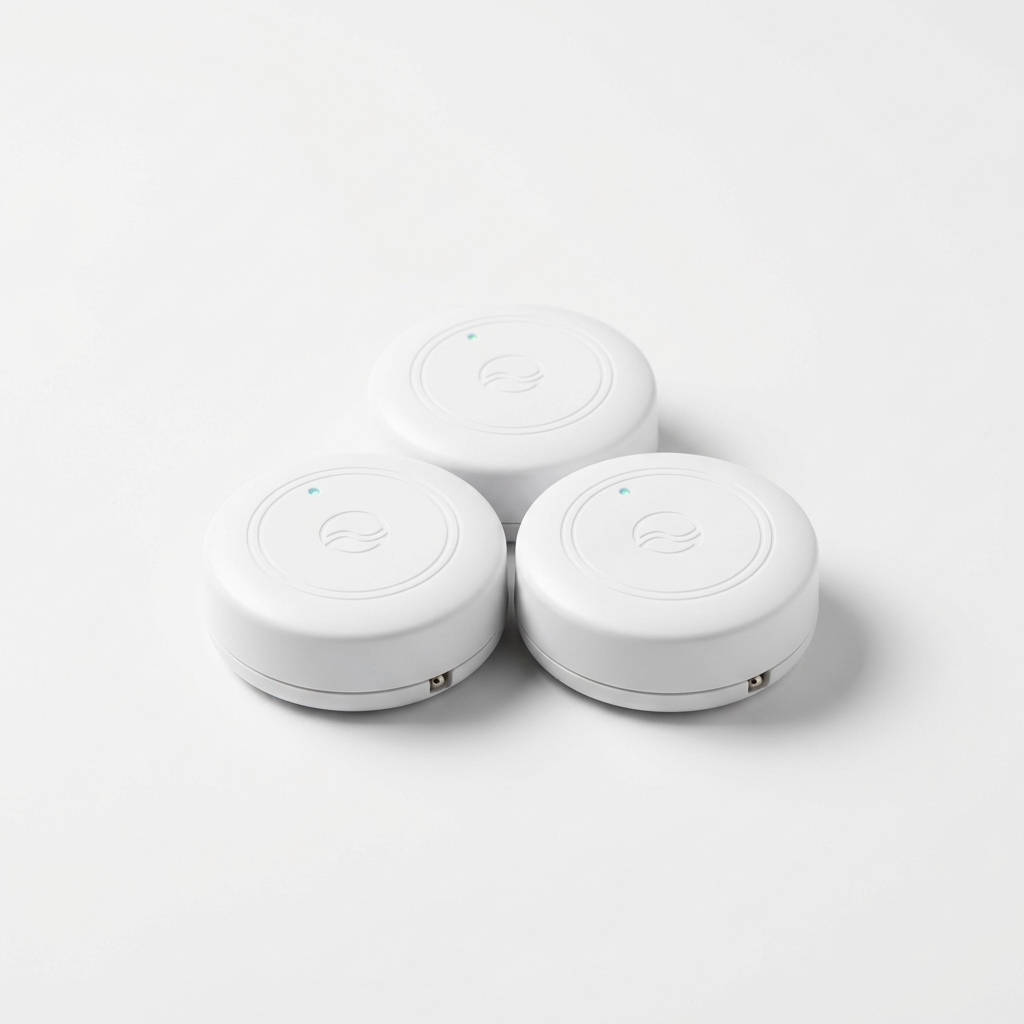
Govee Wi-Fi Water Sensor 3-Pack
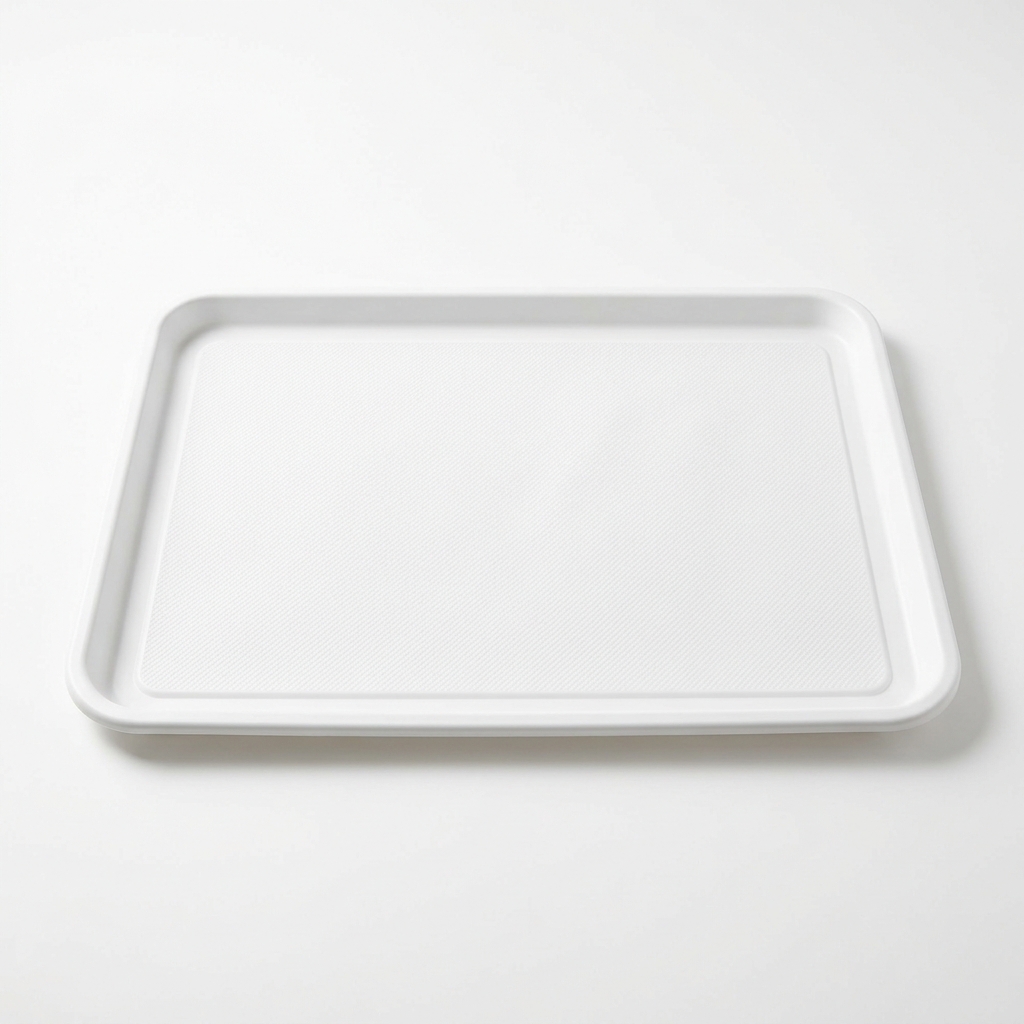
Under-Sink Leak Mat Tray
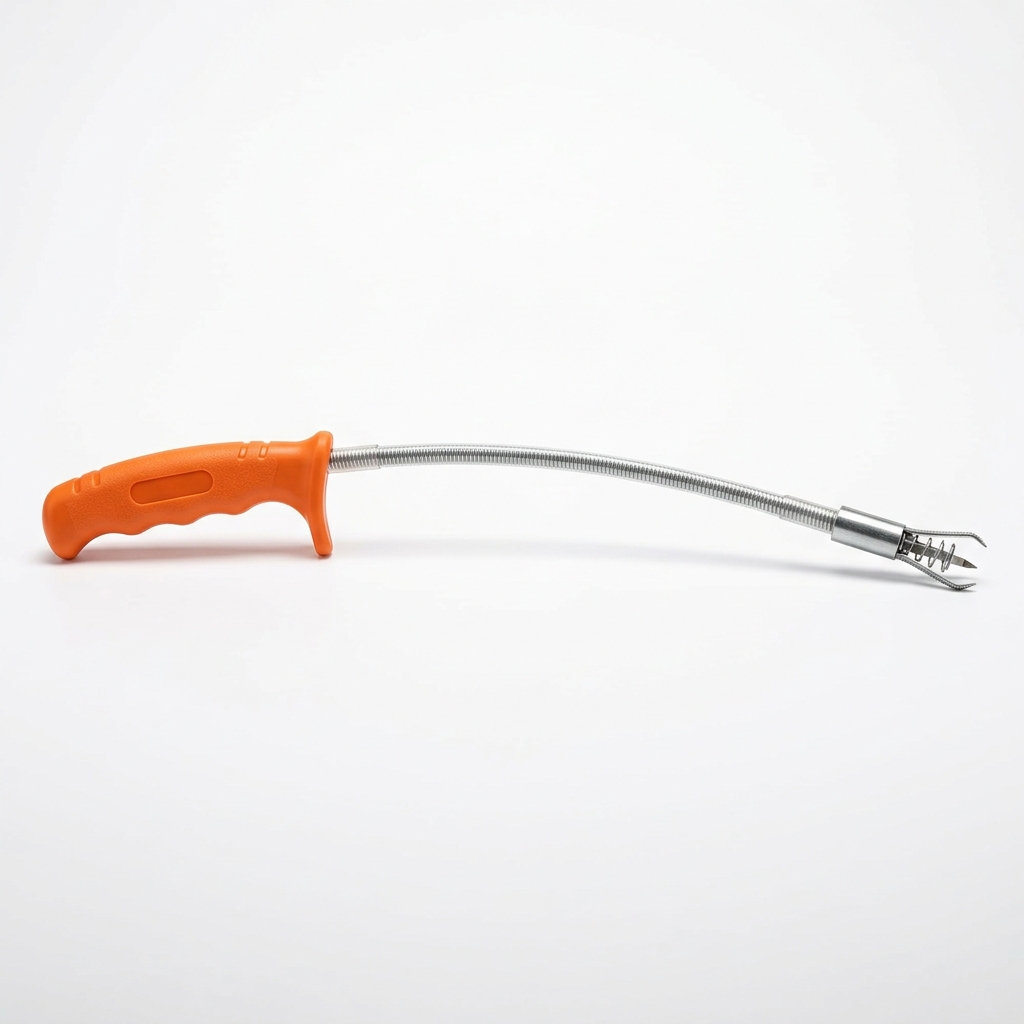
FlexiSnake Drain Weasel Hair Clog Tool
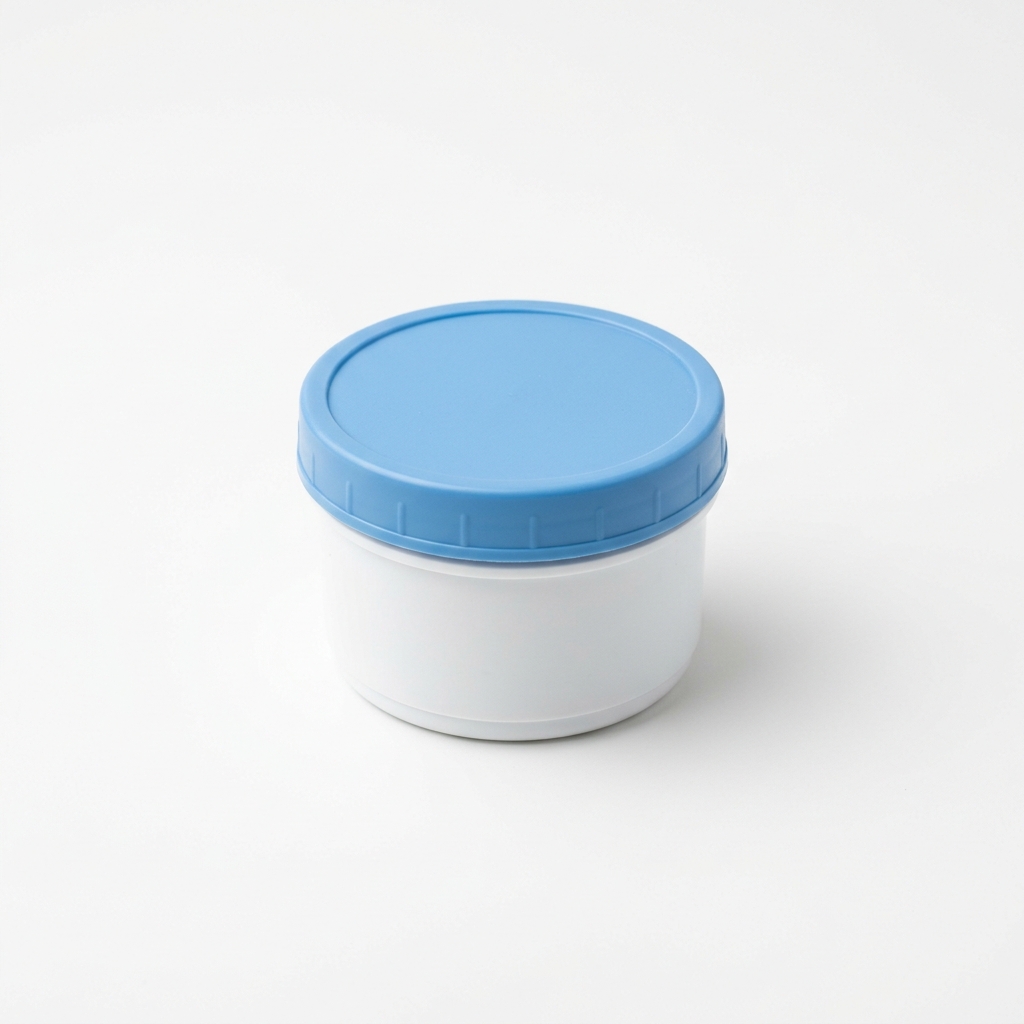
Oatey Plumber's Putty
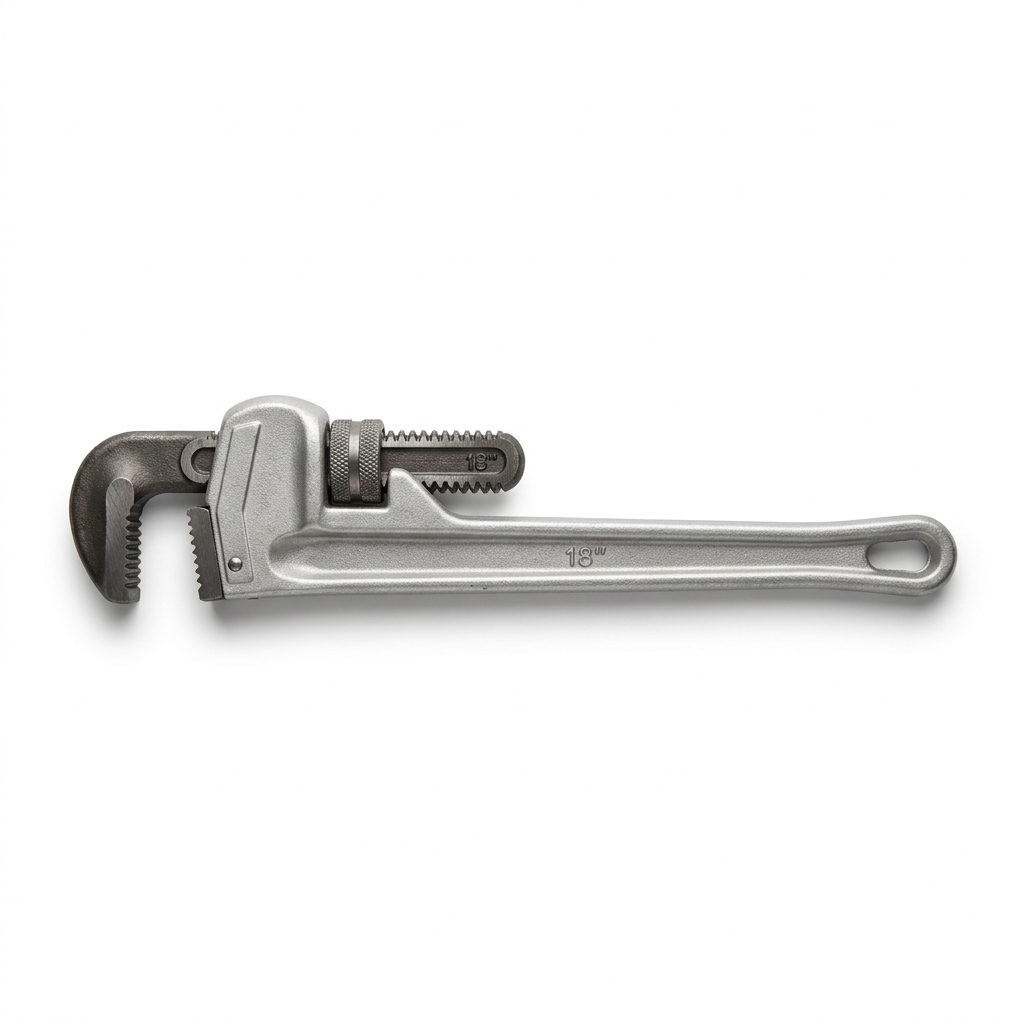
DURATECH Aluminum Straight Pipe Wrench
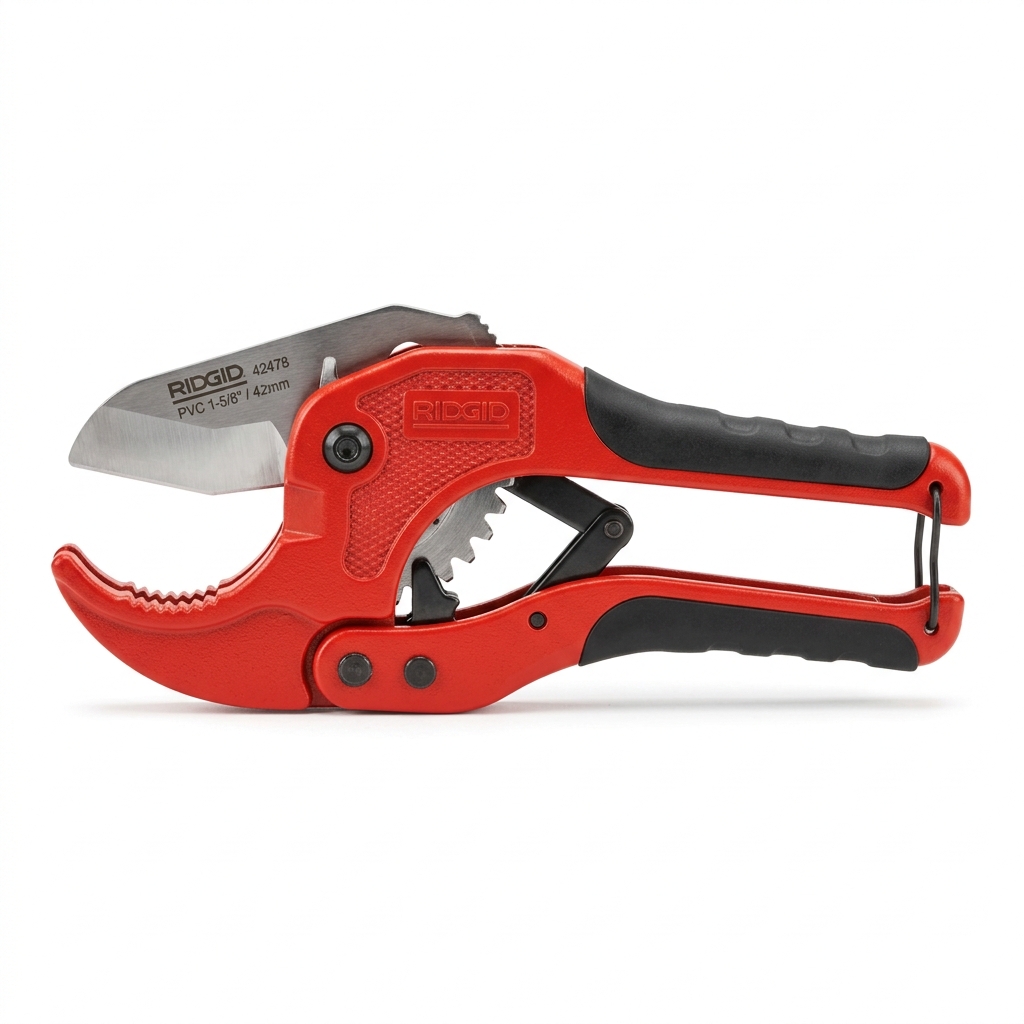
PVC Pipe Cutters
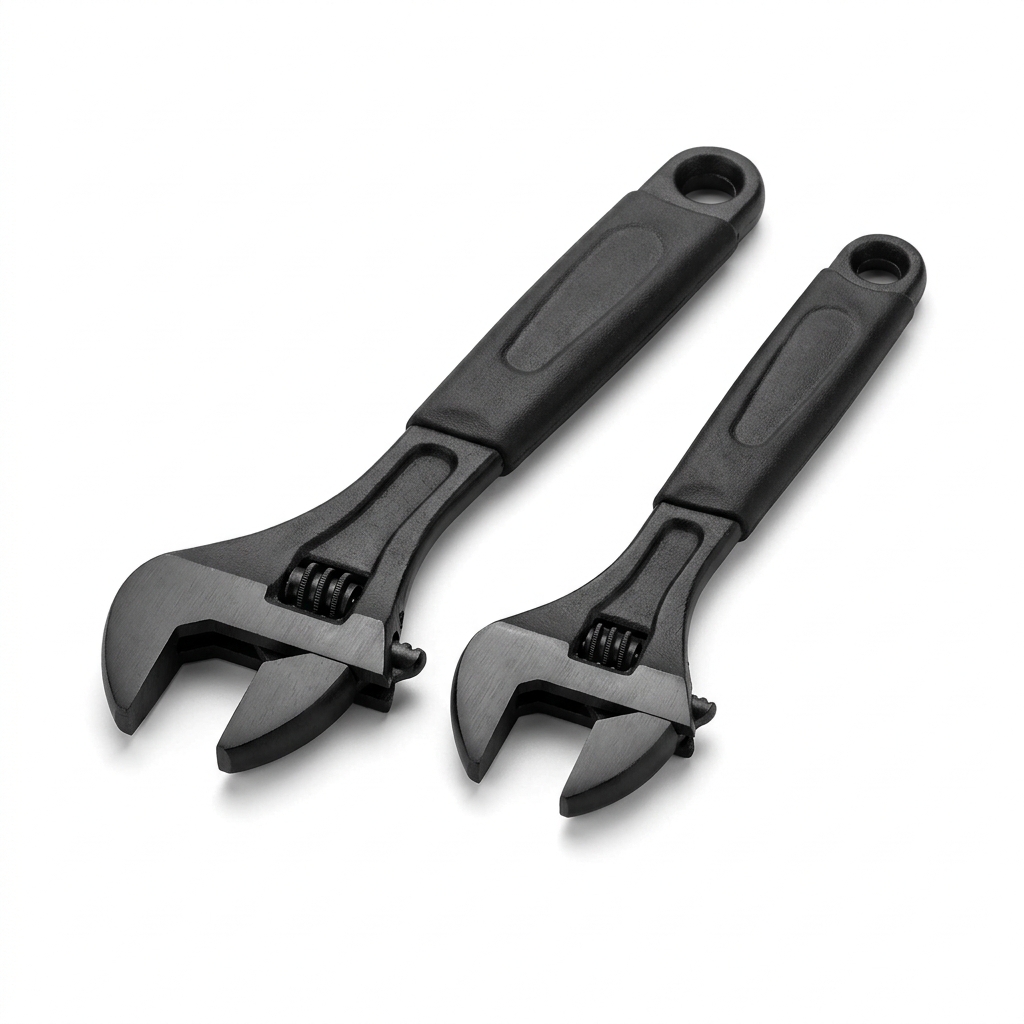
WORKPRO 2-Piece Extra-Wide Adjustable Wrench Set
Dixon Valve PTFE Plumbing Thread Seal Tape
This page contains affiliate links. If you purchase through them, we may earn a commission at no additional cost to you.
Snappy Trap Universal Kitchen Sink Drain Kit
Core item
Snappy Trap

Snappy Trap Universal Kitchen Sink Drain Kit

Best for: Replacing a leaking P-trap

Universal • no-measure drain kit

Channellock 12-Inch Tongue and Groove Slip-Joint Pliers
Tool
Channellock

Channellock 12-Inch Tongue and Groove Slip-Joint Pliers

Best for: Loosening slip-joint nuts

12 in • tongue & groove

Moen Flo Smart Water Leak Detector
Core item
Moen

Moen Flo Smart Water Leak Detector

Best for: Catching leaks before they flood

Wi-Fi • instant phone alerts

Govee Wi-Fi Water Sensor 3-Pack
Core item
Govee

Govee Wi-Fi Water Sensor 3-Pack

Best for: Covering multiple high-risk spots

3-pack • Wi-Fi + app alerts

Under-Sink Leak Mat Tray
Accessory
FloodFrame

Under-Sink Leak Mat Tray

Best for: Containing drips under the cabinet

Raised-edge • fits standard cabinets

FlexiSnake Drain Weasel Hair Clog Tool
Core item
FlexiSnake

FlexiSnake Drain Weasel Hair Clog Tool

Best for: Pulling hair clogs from shower drains

Flexible • barbed micro-hooks

Oatey Plumber's Putty
Consumable
Oatey

Oatey Plumber's Putty

Best for: Sealing the sink flange

Stain-free • reusable seal

DURATECH Aluminum Straight Pipe Wrench
Tool
DURATECH

DURATECH Aluminum Straight Pipe Wrench

Best for: Gripping and turning pipe

Lightweight aluminum • adjustable

PVC Pipe Cutters
Tool
RIDGID

PVC Pipe Cutters

Best for: Cutting the discharge line

Ratchet • to 1-5/8 in

WORKPRO 2-Piece Extra-Wide Adjustable Wrench Set
Tool
WORKPRO

WORKPRO 2-Piece Extra-Wide Adjustable Wrench Set

Best for: Loosening stubborn, tight metal drain caps

Extra-wide jaw • 2-piece

Dixon Valve PTFE Plumbing Thread Seal Tape
Consumable
Dixon Valve

Dixon Valve PTFE Plumbing Thread Seal Tape

Best for: Sealing threaded plumbing joints

PTFE • industrial grade