Executing a disciplined autumn garden preparation routine—paired with strategic October planting—is the single most effective way to guarantee an effortless, high-yield spring harvest. By balancing soil insulation, leaf recycling, biomass cover cropping, and cool-season planting right now, you set your landscape up for multi-season success.
Part 1: The Winterization Prep Checklist
Step 1: Clear Diseased Debris, Leave the Healthy Roots
Remove all fading summer tomato vines, pepper stalks, and squash leaves from the planting bed using powerful mechanical blowers to group material cleanly. If your summer crops showed any signs of fungal blight, powdery mildew, or pest infestations, bag them and discard them entirely. Do not compost diseased vegetation, as home compost piles rarely get hot enough to destroy overwintering spores.
For healthy crops like beans or peas, use long-handled trimmers to cut the stalks off at the soil line but leave the root systems undisturbed in the ground. These roots contain beneficial nitrogen-fixing nodules that will break down naturally over the winter, feeding the surrounding soil microbiology.
Step 2: Loosen and Aerate the Soil Profile
Months of foot traffic and heavy summer watering compress garden soil, cutting off vital oxygen channels. Use an aggressive long-handled draw tool to shave away remaining weeds at the dirt surface line without flipping the lower soil horizon. If the soil surface has formed a hardened clay crust, utilize a dual-face pick tool to gently score the upper crust.
Avoid violently turning the soil completely over or using a gas mechanical rototiller, as this ruptures the existing beneficial mycorrhizal fungi network. Simply break up the hard surface crust so that moisture, air, and incoming fall nutrients can penetrate deep into the root zone.
Featured Project Supplies:
- AgroPro 58-Inch Forged High-Carbon Steel Garden Hoe (Best for clean, low-impact surface weeding and skimming old summer weed caps without disrupting deep soil layers)
- Fiskars Pro IsoCore 14" 2-in-1 Pickaxe & Hoe (Best for fracturing deeply compacted summer soil paths and clay pockets near bed frames)
- Fiskars 57" Garden Digging Shovel (Best for cleanly cutting away dead perennial roots and shifting bulk compost loads)
- Milwaukee M18 FUEL 18-Volt Lithium-Ion Cordless Blower Kit (Best for clearing heavy debris fields and leaves away from the planting perimeter quickly)
Part 2: The Trash to Treasure Leaf Hack
Fall leaves are the absolute single greatest source of free, nutrient-rich organic matter for your garden—but only if you destroy their structure first. Leaving a thick, heavy blanket of whole, uncut autumn leaves sitting on top of your lawn or garden beds over the winter is a major landscaping error. Whole leaves will mat down when wet, creating an un-breathable, solid plastic-like tarp. This suffocates your grass roots, traps stagnant mold and fungal rot underneath, and prevents your winter cover crops from getting critical oxygen.
However, if you shred those exact same leaves into fine flakes using a lawn mower or mechanical trimmer, they transform into an exceptional living mulch blanket. Spread a 2-to-3-inch thick layer of shredded leaves directly over your garden dirt, your garlic trenches, or around your newly transplanted trees. This loose, shredded leaf layer acts like a premium insulation blanket. It regulates soil temperatures, prevents the ground from heaving during winter freeze-and-thaw cycles, and breaks down completely by spring to feed beneficial earthworms.
Featured Project Supplies:
- Fiskars 28” Garden Bypass Loppers (Excellent for reducing woody autumn perennial stems into small pieces for compost piles)
Part 3: Sowing Fall Cover Crops & Managing Biomass
Once the soil is loose, the absolute best way to insulate it is by planting a cool-season cover crop, often called "green manure." These plants are grown strictly to shield and feed the soil during the winter months, rather than for a kitchen harvest.
Choosing the Right Cover Crop Variety
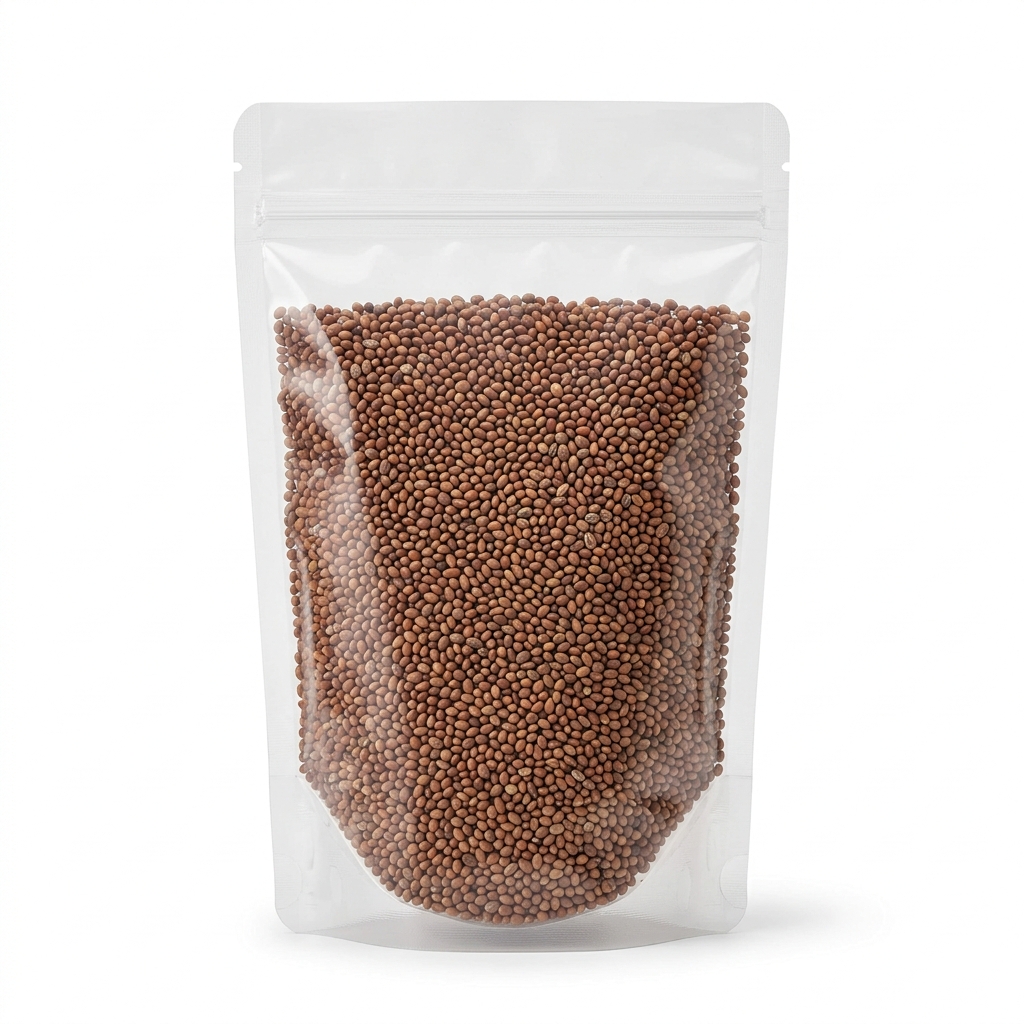
- Crimson Clover: The premier option for home raised beds. It establishes a thick green carpet within days, prevents soil erosion, and actively pumps nitrogen back into the dirt profile.
- Winter Rye: An absolute powerhouse for choking out aggressive weeds and building heavy organic biomass. Instead of letting it grow until summer for grain harvest, use your string trimmer to chop it down in early spring while it is still lushes and green, turning it directly into free compost.
- Daikon Tillage Radish: The ultimate natural tool for heavy clay soils. This massive radish acts like a biological jackhammer, drilling 12 inches deep to fracture hardpan earth. It automatically dies off when winter temperatures drop below 20°F, rotting away completely by spring to leave deep, pre-aerated water drainage holes throughout your planting beds.
The Wildlife Protection Pivot
Sweet legumes like Crimson Clover and Hairy Vetch are highly attractive to foraging rabbits. If your yard faces active pest pressure, your cover crop will be eaten down to the bare dirt before the first frost arrives. To protect your investment, line the perimeter of your raised beds with a rigid 24-inch galvanized wire mesh screen secured with heavy-duty metal garden staples.
Featured Project Supplies:
- Outsidepride Crimson Clover Cover Crop Seed (Best for rapid autumn coverage and heavy nitrogen fixation)
- Hale Habitat & Seed Daikon Radish Food Plot Seed, 5 lbs (Premium high-germination tillage radish for deep clay aeration)
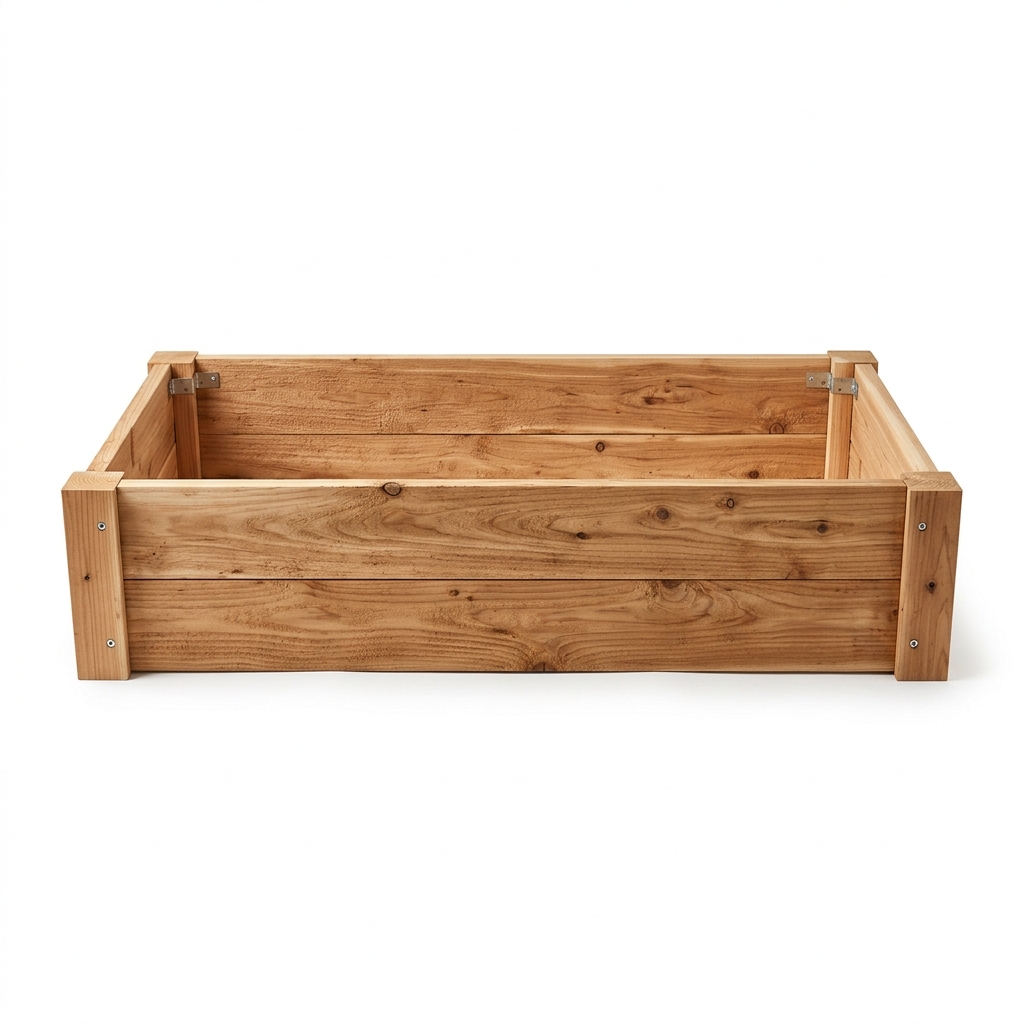
- Best Choice Products 4x2ft Raised Wooden Garden Bed Kit (The ideal premium cedar layout for establishing fresh, well-draining cool-season planting zones)
- MTB 20GA Galvanized 24in x 50ft x 1in Mesh Chicken Wire Hexagonal Poultry Netting (Essential perimeter screening to shield young cover crops from winter rabbit damage)
Part 4: What to Plant in October for Spring Benefits
While you are buttoning up your summer beds, October is also the peak planting window for several high-value crops and flowers. These specific plants require the cold winter underground to trigger their growth cycles, giving you a massive head start over anything planted in the spring.
1. Gourmet Hardneck Garlic & Shallots
October is the absolute premier slot of the year to plant garlic and shallots. Separate whole seed-garlic bulbs into individual cloves. Plant each clove roughly 2 inches deep into the soil, spacing them 6 inches apart, with the pointed side facing straight up. They will slowly develop strong root foundations all winter beneath the frost line. By early April, they will be the very first green spikes to break through the snow, ripening into large, flavor-packed heads by July.
2. Perennial Asparagus Crowns
Planting asparagus from seed requires years of waiting. Burying dormant, one-year-old asparagus crowns in October cuts your timeline in half. Asparagus is a permanent perennial investment that will reliably return to the exact same bed every spring for over 20 to 30 years. Dig a clean, 6-inch deep trench, spread the spider-like roots completely flat along the bottom, backfill with native dirt, and cover with a thick layer of autumn mulch.
3. Spring-Blooming Flower Bulbs
Tulips, Daffodils, and Alliums must be buried in October. These bulbs require a biological process called vernalization, meaning they physically need at least 12 to 14 weeks of freezing ground temperatures to activate the internal hormones required to throw a flower blossom. Plant them roughly 6 inches deep in clusters. Daffodils are completely deer- and rodent-resistant, and early crocuses provide the absolute first source of critical pollen for emerging bumblebees in late winter.
Tools needed
- AgroPro 58-Inch Forged High-Carbon Steel Garden Hoe
- Fiskars Pro IsoCore 14" 2-in-1 Pickaxe & Hoe
- Fiskars 57" Garden Digging Shovel
- Fiskars 28” Garden Bypass Loppers
- Fiskars 60-Inch Forged Steel Bow Rake
- Milwaukee M18 FUEL 18-Volt Lithium-Ion Cordless Blower Kit
Materials needed
- Outsidepride Crimson Clover cover crop seed
- Hale Habitat & Seed Daikon Radish Food Plot Seed (5 lbs)
- Best Choice Products 4x2ft Raised Wooden Garden Bed Kit
- MTB galvanized chicken wire / hexagonal poultry netting
- Heavy-duty metal garden staples
- Shredded leaf mulch (2–3 in layer)
- Hardneck garlic & shallot bulbs
- Dormant asparagus crowns
- Spring-blooming flower bulbs (tulips, daffodils, alliums)
Step-by-step
- 1
Clear diseased summer debris and leaves with a blower; bag anything that showed blight, mildew, or pests. Cut healthy bean and pea stalks at the soil line but leave the nitrogen-fixing roots undisturbed in the ground.
- 2
Loosen and aerate compacted soil: skim surface weeds with a long-handled hoe and score any hardened clay crust with a 2-in-1 pickaxe/hoe. Do not flip the soil profile or rototill, which ruptures the beneficial mycorrhizal fungi network.
- 3
Shred fall leaves into fine flakes with a mower or mechanical trimmer, then spread a 2-to-3-inch living mulch layer over beds, garlic trenches, and newly transplanted trees. Never leave whole, matted leaves on beds.
- 4
Sow a cool-season cover crop once the soil is loose — crimson clover for fast nitrogen-fixing coverage, winter rye for weed suppression and biomass, or daikon tillage radish to fracture heavy clay 12 inches deep.
- 5
Protect sweet legume cover crops from rabbits by lining raised-bed perimeters with a rigid 24-inch galvanized wire mesh screen secured with heavy-duty metal garden staples.
- 6
Plant October's high-value crops: hardneck garlic and shallots 2 in deep / 6 in apart (pointed side up), dormant asparagus crowns flat in a 6-inch trench, and spring-blooming bulbs roughly 6 in deep in clusters for vernalization.
Common mistakes
- • Composting diseased vegetation — home compost piles rarely get hot enough to destroy overwintering spores.
- • Leaving whole, un-shredded leaves on beds, where they mat into an airless, plastic-like tarp that suffocates roots and traps mold.
- • Rototilling or flipping the soil completely over, which ruptures the existing beneficial mycorrhizal fungi network.
- • Leaving sweet legume cover crops unprotected where rabbits graze them to bare dirt before the first frost.
- • Planting flower bulbs too shallow or too late to get the 12–14 weeks of freezing ground temperatures they need to bloom.
Maintenance & next steps
Through winter, let cover crops shield the soil, then chop them down in early spring while still green and lush to turn directly into free compost. Keep garlic, asparagus, and bulb beds mulched until the first green spikes break through in spring.
For large-scale land clearing, heavy soil grading, or installing permanent raised-bed hardscaping beyond simple kit assembly.