Tools needed
- Clamp meter or calculator for wattage
- Heavy work gloves
- Fuel container
Materials needed
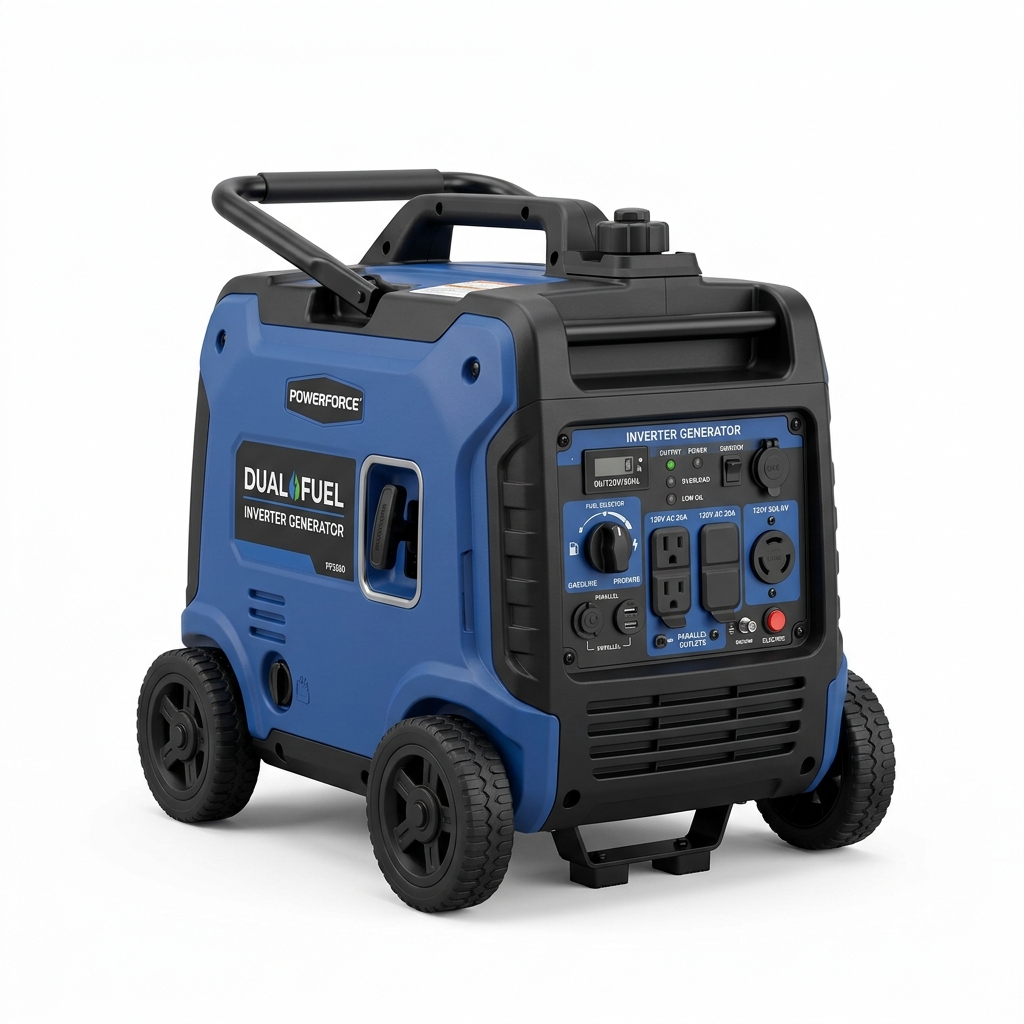
- Dual-fuel portable inverter generator
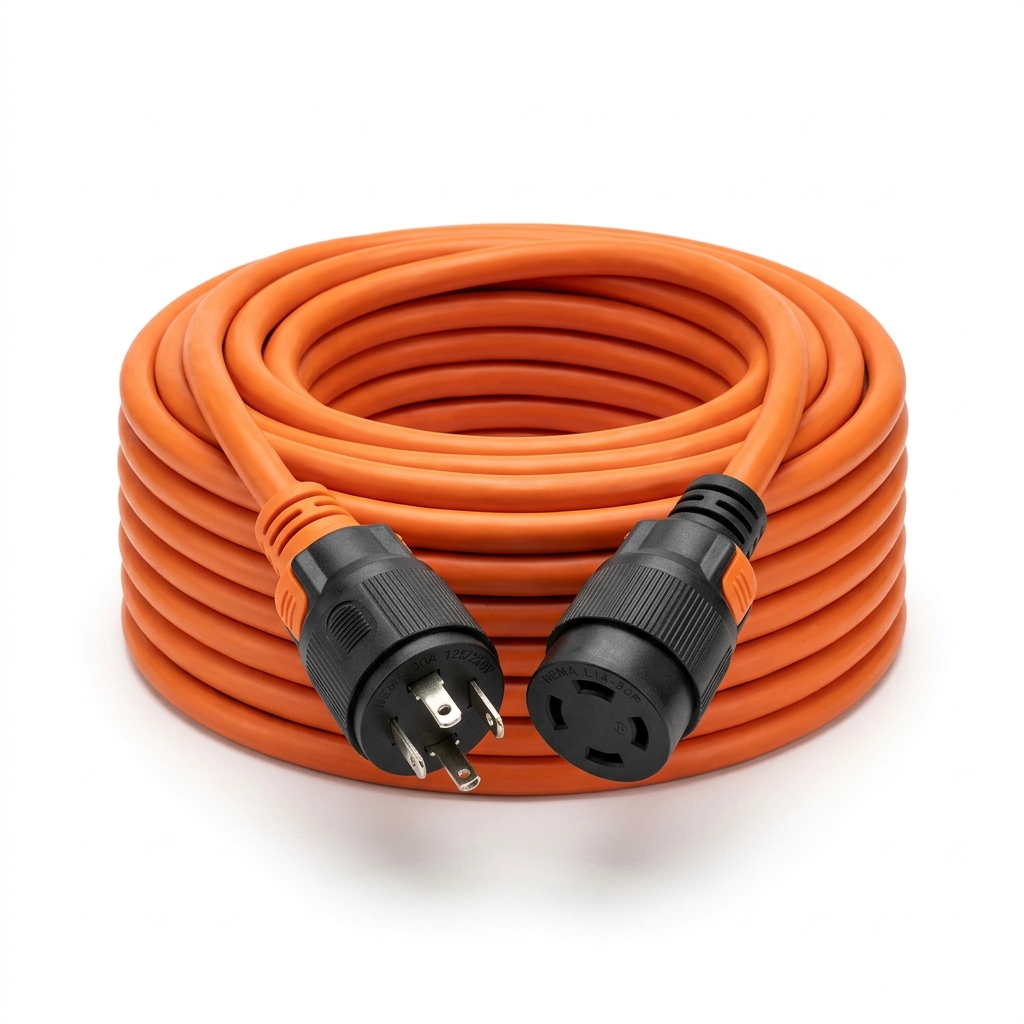
- Heavy-duty 30-amp generator extension cord
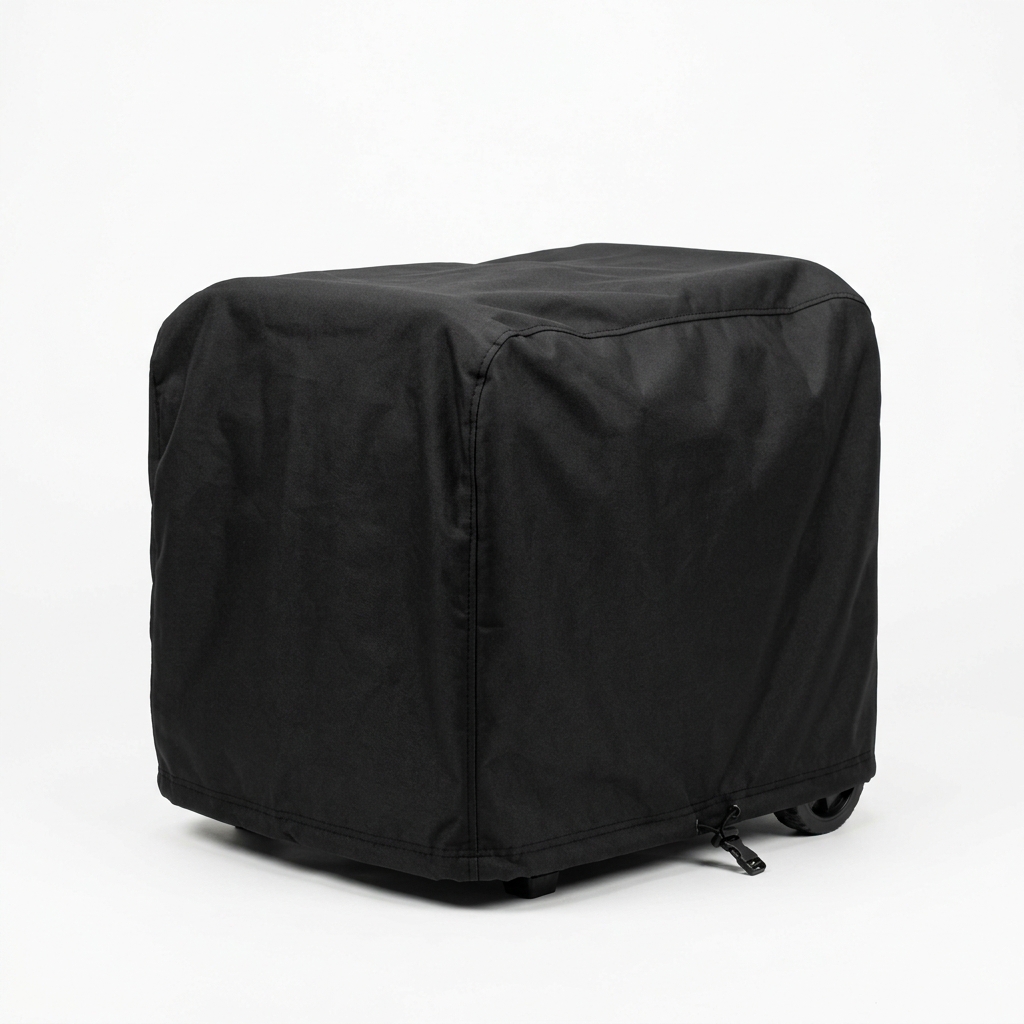
- Outdoor generator cover
- Fresh fuel and stabilizer
Step-by-step
- 1
Add up the running and starting watts of what you must power and choose a generator with headroom above that total.
- 2
Place the generator outdoors on a dry, level surface at least 20 feet from the house with the exhaust aimed away.
- 3
Never run it in a garage or near windows — carbon monoxide is deadly.
- 4
Connect appliances with a properly rated heavy-gauge generator cord, or use an installed transfer switch for circuits.
- 5
Start it, let it stabilize, then add loads one at a time so you don't trip the overload.
- 6
Shelter it from rain and snow with a running-safe cover while keeping airflow clear.
Common mistakes
- • Backfeeding power through a wall outlet (illegal and lethal to line crews)
- • Running it indoors or in an attached garage
- • Overloading past the running-watt rating
Maintenance & next steps
Run it briefly monthly, change oil per the manual, and store with stabilized fuel or the tank drained.
For a permanent standby unit or any hardwired transfer switch — that is a licensed-electrician job.